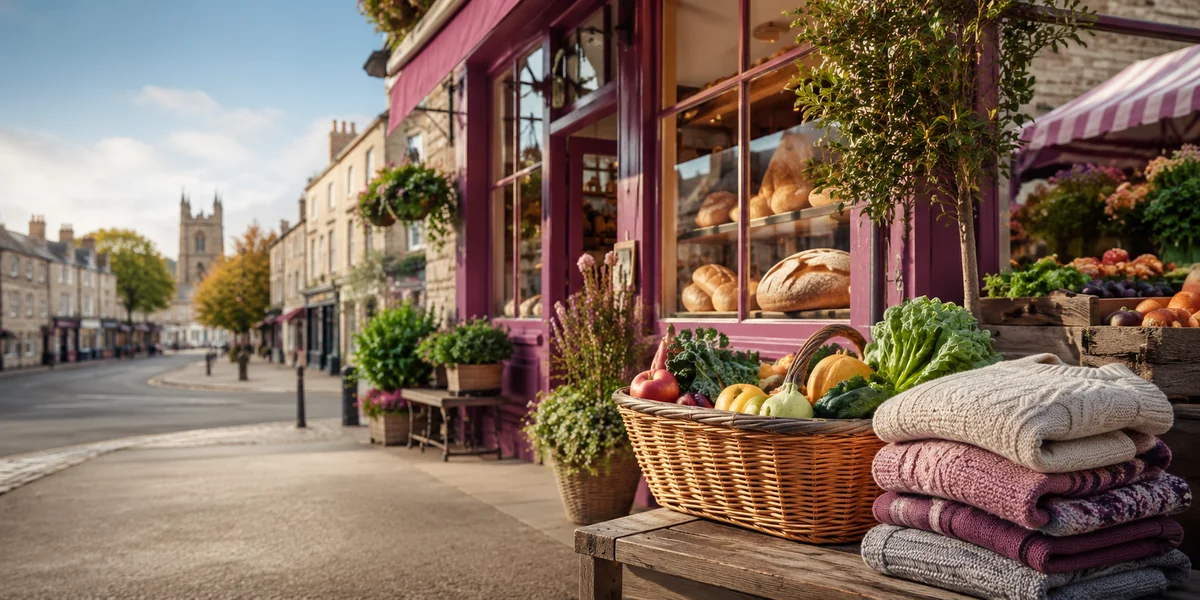
UK High Streets in Crisis: A New Report from the American Chemical Society
The UK high street has long been a cornerstone of British retail, providing an essential service to local communities and supporting small businesses. However, in recent years, the sector has faced significant challenges, with many stores struggling to stay afloat.
First subheading: "The state of UK high streets: a decline in foot traffic and sales"
A decline in foot traffic and sales is a pressing concern for the UK's high streets, with vacancy rates continuing to rise and town centres experiencing a steady stream of closures. According to data from local authorities, the number of empty shops has increased by over 50% in the past decade, while the value of vacant retail spaces has plummeted. The impact on local economies is far-reaching, with many high streets losing their distinct character and identity as a result. As a consequence, the long-term viability of these areas
Second subheading: "Changing consumer habits and the rise of online shopping"
The shift towards online shopping has dramatically altered consumer behaviour in the UK, with a significant proportion of shoppers now opting to purchase goods and services from digital platforms. This trend is particularly pronounced among younger demographics, who are more likely to favour the convenience and flexibility offered by e-commerce. As a result, many traditional high street retailers have been forced to adapt their business models to remain competitive, investing in digital channels and online marketplaces to reach customers where they are most engaged. The growing popularity of online shopping has also led to increased competition for physical stores, with some establishments opting to close or downsize as a result. This seismic shift in consumer habits poses significant challenges for the UK's high streets.
Third subheading: "Local shops and their role in revitalising high streets"
The revitalisation of high streets in the UK is being driven by a renewed focus on supporting local shops and businesses. Local businesses are often seen as a key component of a thriving high street, providing a unique sense of character and community identity. Research has shown that when local independent shops thrive, they can have a positive impact on footfall and spending, boosting the wider local economy. By fostering an environment in which small business owners feel supported and empowered, local authorities can help to create resilient and sustainable high streets. Ultimately, the long-term health of UK high streets will depend on their ability to strike a balance between supporting local businesses and responding to changing consumer needs.
How to support local high street businesses: strategies for success
- Regularly visit and shop at local high street businesses to demonstrate your support and encourage others to do the same.
- Follow and engage with local business owners on social media platforms to stay informed about their latest offers and promotions.
- Provide feedback and recommendations to friends, family, and colleagues about your experiences of visiting local high street businesses.
- Consider joining a loyalty scheme or rewards programme offered by local businesses to accumulate points and discounts.
- Attend local events and festivals that showcase the unique character and attractions of your area's high street.
Case study: How a UK town transformed its high street through community-led initiatives
In a small town in rural England, local residents came together to form the 'High Street Revitalisation Group' to tackle declining footfall and vacant shops. The group organised regular street events, such as farmers' markets and live music sessions, which helped to attract new customers and create a sense of community. They also worked with existing businesses to develop an online presence and collaborate on joint promotions. As a result, the town's high street saw a significant increase in foot traffic and local spend, with some shops reporting profits for the first time in years. The success of this community-led initiative has inspired other towns to follow suit.
The ACS analysis highlights the impact of changing consumer behaviour on the fortunes of UK high streets, with a particular focus on the rise of online shopping and its effects on footfall and sales. One key finding is that the shift to e-commerce has led to a decline in the number of people visiting high streets during evenings and weekends, when most non-essential retail operates. This trend is largely driven by the convenience and flexibility offered by online retailers, which allow customers to browse and purchase products from the comfort of their own homes. As a result, many high street businesses are struggling to compete with the ease and immediacy of online shopping, leading to a decline in sales and profits. The ACS analysis suggests that this trend is likely to continue unless there is a significant shift in consumer behaviour or an innovative response from retailers to address the challenges posed by e-commerce. To combat this, some retailers have begun to adopt extended trading hours and experiential retail concepts, such as pop-up shops and events, which aim
Frequently Asked Questions
What is the main cause of decline on UK high streets?
The main cause of decline on UK high streets is the shift towards online shopping, with many consumers increasingly opting for convenience and lower prices offered by e-commerce platforms.
How can consumers support local shops and
Consumers can support local shops by visiting them regularly, purchasing locally sourced products, and leaving reviews or ratings to help build a reputation and attract new customers.
What should smaller teams watch out for?
Smaller teams should watch out for changes in consumer behaviour, such as the rise of experiential shopping and services, and be prepared to adapt their business models to remain competitive.
For those planning to visit high streets across the UK this summer, be sure to check opening hours and social media ahead of time to avoid disappointment. — Editor, Home & High Street